Need help?
1-360-805-4930
SASS® 4000
High-Volume Aerosol Concentrator
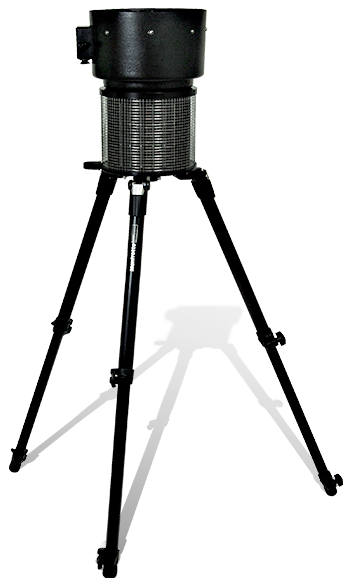
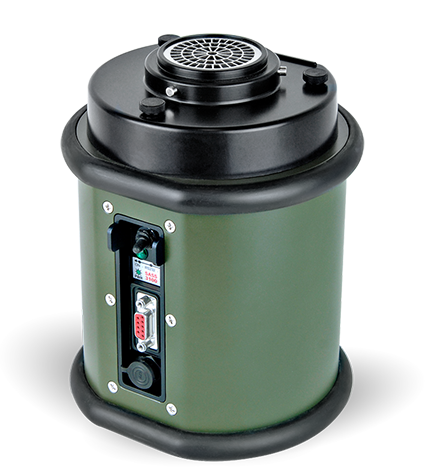
The SASS® 4000 is a highly efficient, high-volume aerosol concentration device. Many applications require the collection and analysis of aerosol particles, ranging from environmental air sampling, counter-terrorism to epidemiology, medicine, and agriculture. These applications typically involve the monitoring or collection of airborne plant, animal or human pathogens. But aerosol sample analysis is frequently plagued by three problems:
- The targeted pathogen is present at a very low concentration;
- The collection process involves too small an air sample to be statistically valid; and/or
- Available bioassay methods are not sensitive enough.
In response to these issues, Research International offers the SASS 4000, the highest-capacity portable aerosol preconcentrator in production.
Enhanced Sampling Capability
Particle Concentrations up to 15X the Ambient Air
The SASS 4000 High-Volume Concentrator overcomes the challenge of sampling where the target pathogen is present in low concentrations.
Maximizes Sampled Air Flow for Better Statistics
Small sample size can render study data invalid - but at 4,000 LPM, the SASS concentrates sufficient air volume for statistically significant samples and meaningful analysis.
Rugged and Portable for Field Use
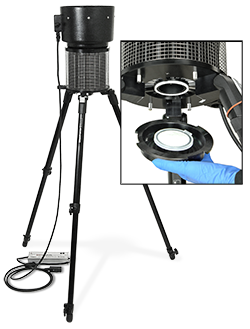
Tough enough to operate in arctic cold or desert heat. The SASS 4000 is designed for portability and is easy to set up with quick-detach adjustable tripod legs.
Product Features
No moving parts other than the primary fan.
Maintenance is minimal.
The operating temperature range is very wide.
The structure is comparatively clog resistant.
Sampled air volume is maximized, improving collection statistics.
Product Applications
Environmental
Air quality
Public health
Agriculture
Medical facilities
Military
Power plants
Homeland security
Accessories & Consumables
Replacement parts and consumables are available for this product. Tip: click/tap an image to select or deselect. Use the arrows (or swipe) to see more. Selected items will be included in your quote.
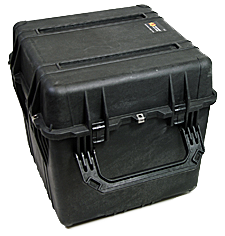
Transport Case — P/N 7100-163-400-03
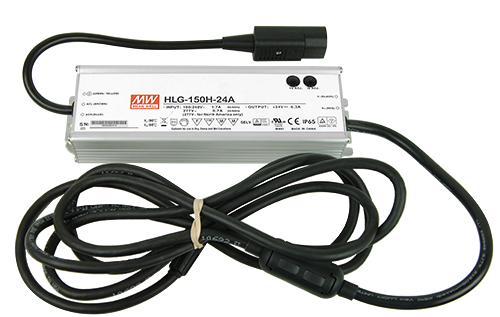
External Power Supply — P/N 7200-163-050-03
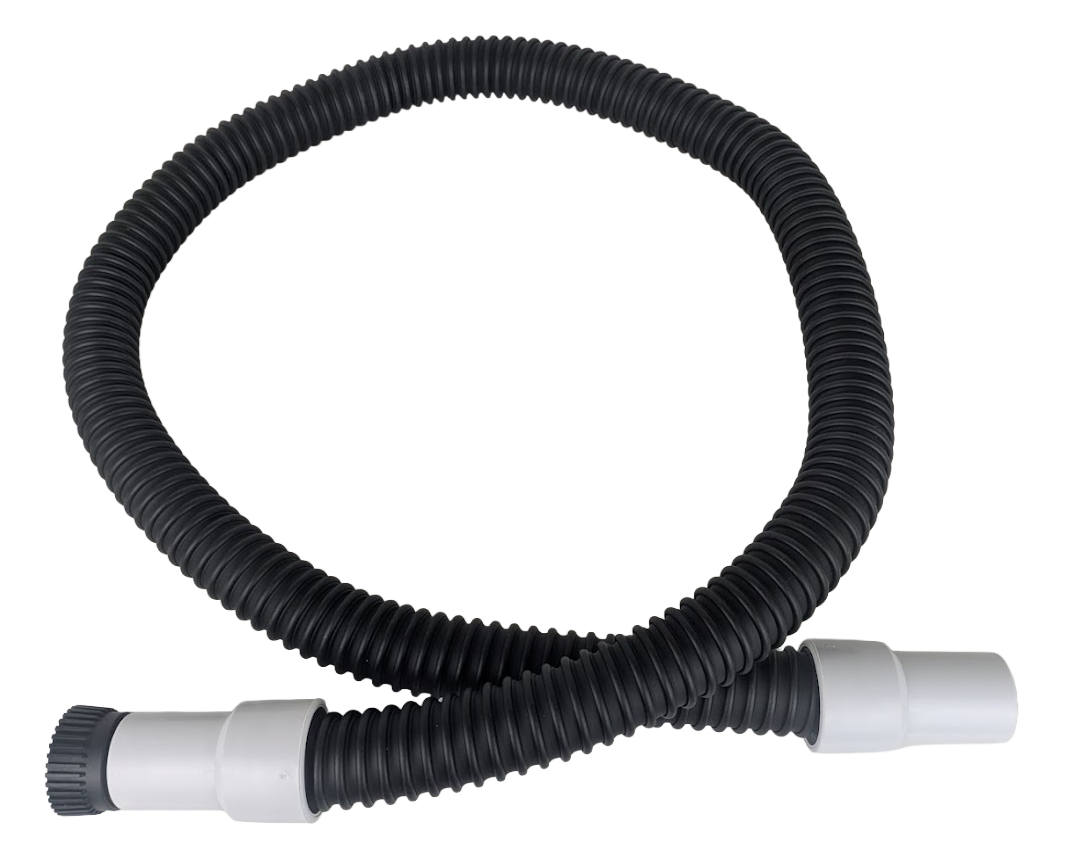
Hose Assembly — P/N 7100-159-140-03
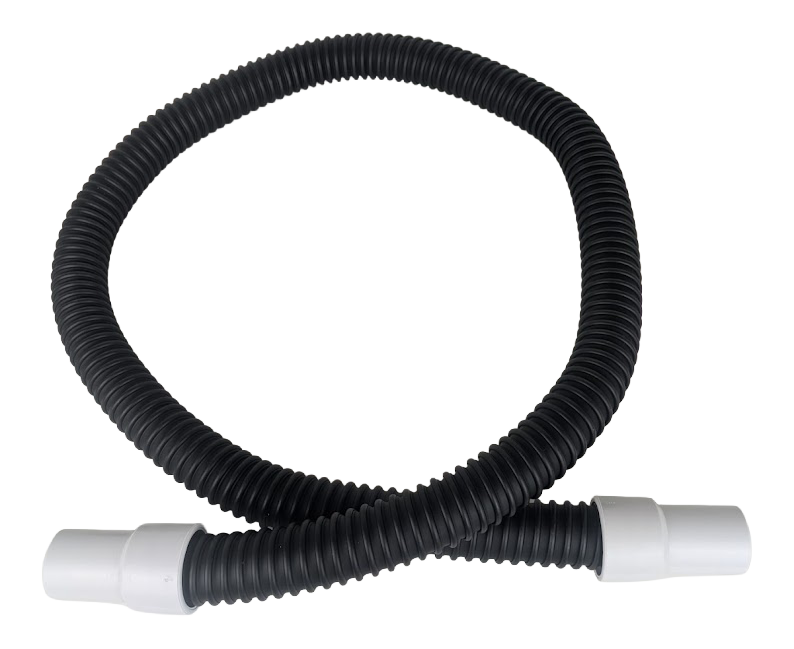
Connector Hose — P/N 7100-159-212-01
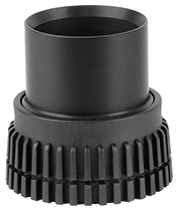
Connector Hose Adapter — P/N 7100-159-206-01
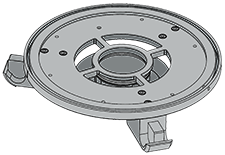
SASS 4000 Filter Adapter Plate — P/N 7100-163-160-01
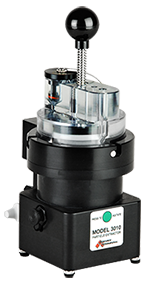
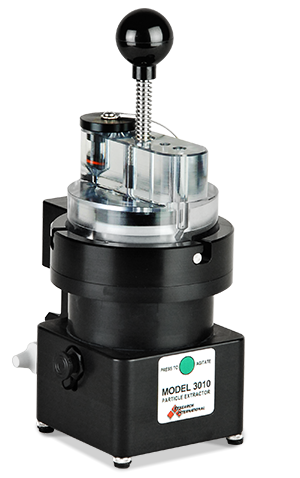
SASS 3010 Particle Extractor — P/N 7000-162-100-07
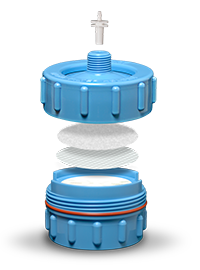
Sterile Particle Extractor — P/N 7000-170-100-01
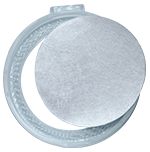
Standard Filter Cartridge Assembly, Welded — P/N 7100-134-230-04
HEPA-Style Filter Cartridge Assembly, Welded — P/N 7100-134-231-01
Standard Filter Cartridge Assembly, Removable — P/N 7100-134-232-01
HEPA-Style Filter Cartridge Assembly, Removable — P/N 7100-134-233-01
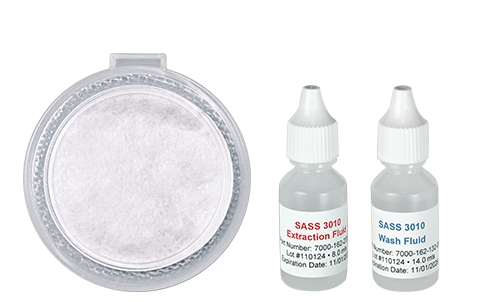
SASS 3010 Extraction Kit — P/N 7000-162-234-02
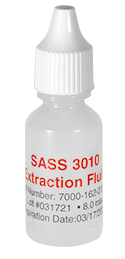
SASS 3010 Extraction Fluid (8 mL) — P/N 7000-162-233-08
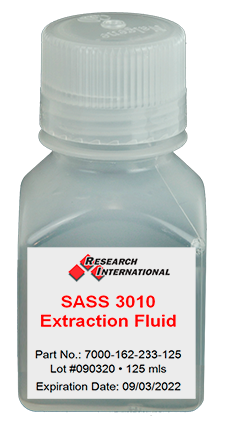
SASS 3010 Extraction Fluid (125 mL) — P/N 7000-162-233-125
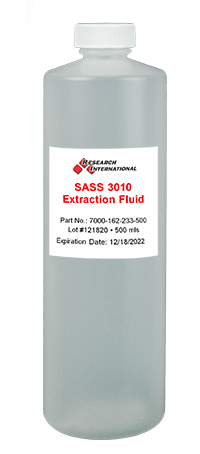
SASS 3010 Extraction Fluid (500 mL) — P/N 7000-162-233-500
Operational Details
What is a Concentrator?
A concentrator processes large volumes of ambient air, continuously transferring particulates from this primary air stream to a much smaller secondary air flow (Figure 1). As a result, the secondary flow can reach aerosol concentrations that are 4 to 15 times higher than present in the incoming air. The concentrator therefore amplifies the ambient aerosol concentration, while retaining most of the particles that were present in the incoming air flow in the secondary flow.
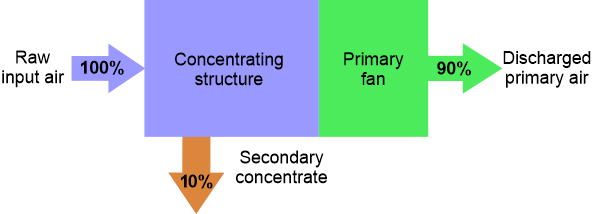
Particles are routed into the secondary flow by forcing primary circuit air to circulate through specially shaped channels where centrifugal force and particle momentum are used to isolate and concentrate the particles. The interior structure has been designed so that the smallest flow cross-section is a channel 0.6 mm wide × 6.35 cm long, providing good resistance to clogging by larger particles. A coarse screened cover with 5.4 mm square openings further restricts the entrance of large debris.
Air Flow Patterns
Air flow patterns are shown schematically in Figure 2. Air flows radially inward into the concentrator through the coarse square-mesh screen. This inward radial flow provides 360° sampling of the surrounding aerosol environment. A quick-release tripod that is standard with the product allows the preconcentrator section to be located from about 0.6 m to 1.43 m above the tripod mounting surface.

The primary fan and a curved air shroud are mounted above the concentrator, channeling exhaust air into a vertical stream away from the input air areas. The secondary concentrate air is available at a hose barb fitting designed nominally for 3.8 cm ID hose. This allows the discharged aerosol concentrate to be delivered, with minimum tubing length, to an assay system or wet collector on the ground under the concentrator. We recommend delivering the aerosol concentrate using a smooth-surfaced tube of not less than 3.5 cm ID and length not to exceed 3 m (2 m is preferable).
Any sudden change in the aerosol concentrate tube’s cross-section is to be avoided to minimize particle loss to the tube wall and excessive pressure drop. Tube bend radii should also be as large as possible to minimize secondary circulation patterns and particle collisions with the tube wall.
Collection Blades
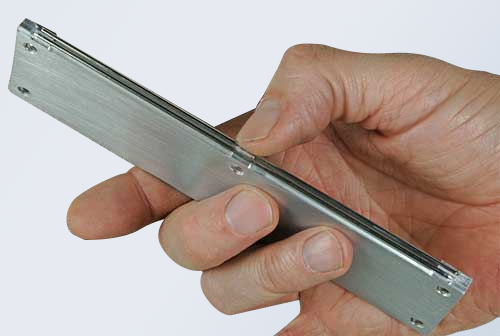
The particulate concentration process is primarily performed within 20 rectangular collection “blades” that slip into radial slots in the main structure (Figure 3). These blades are precisely formed to the desired shape using state-of-the-art CNC machining centers at Research International. This manufacturing method assures that air moves as intended within the interior channels and minimizes particle loss through wall collisions, while also minimizing the overall pressure difference required to push air through the device.
Performance (Concentration Factor vs. Particle Size)
Figure 4 shows typical data for concentration factor as a function of particle size for a primary air flow of about 3000–3600 LPM and a secondary air flow of 300 LPM. This figure is based on tests that used fluorescent polystyrene microspheres (density 1.05 g/cc) and fragments thereof as test particles. Concentration factors were determined from multiple test runs using a Met One 200L laser particle counter.
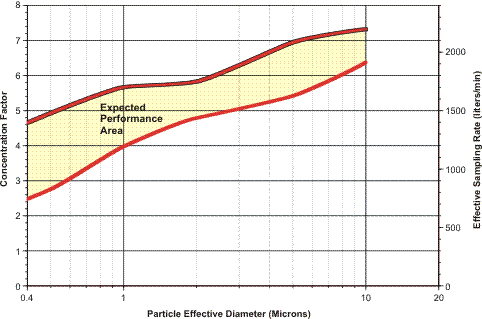
The figure shows that aerosols of this density and with effective optical diameters in the range of 0.5–1.0 µm were concentrated by a factor of 3× to 4×. Particles in the range of 1.0–2.0 µm were concentrated by a factor of 4× to 5×, while larger respirable particles were concentrated by a factor of about 6×.
Effect of Secondary Airflow
Particle concentrations in the secondary flow can be further enhanced by reducing the secondary airflow, as shown in Figure 5. For example, at a secondary airflow of about 40 LPM, the concentration factor is increased by about 3× relative to operation at 300 LPM. However, the total amount of particulate matter collected begins to fall substantially for secondary airflows below about 200 LPM.
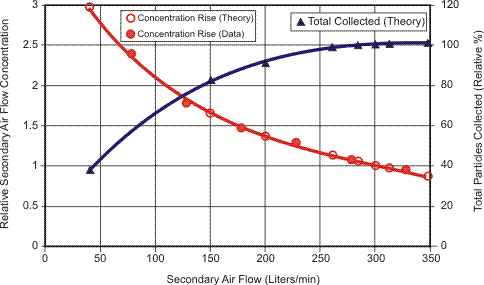
Reduced airflow can be valuable if the detection method requires small amounts of fluid. For example, Research International’s standard air sampler, the SASS 2300, has an airflow of about 300 LPM when connected to the SASS 4000 Concentrator and operates with a water inventory of about 5 ml. The SASS 2400 (“Mini-SASS”), however, has a nominal airflow of 40 LPM and a liquid inventory of only about 1 ml. Hence, the Mini-SASS may show a concentration increase of about 15× for this example case, compared to ~5× for the SASS 2300. However, the total amount of particulates collected within a fixed period by the Mini-SASS may be only ~40% of that collected with the larger wet sampler. The best overall collection strategy depends on the application.